



What we took away from the Aging Innovation Conference.
The conference challenged you to think differently about leadership, experience, and what it means to truly serve the people in your care. Now it's time to turn inspiration into action.
SCOPOS Hospitality Group and The Hollyday Group visited the Aging Innovation Conference in Denver, CO and joined the following sessions — Manley Feinberg's message on courage and commitment, and “Food at the Heart of the Home” on what person-directed dining actually asks of an operation.
Here are a handful of ideas we think are worth acting on, and what it would take to put them to work in your community.
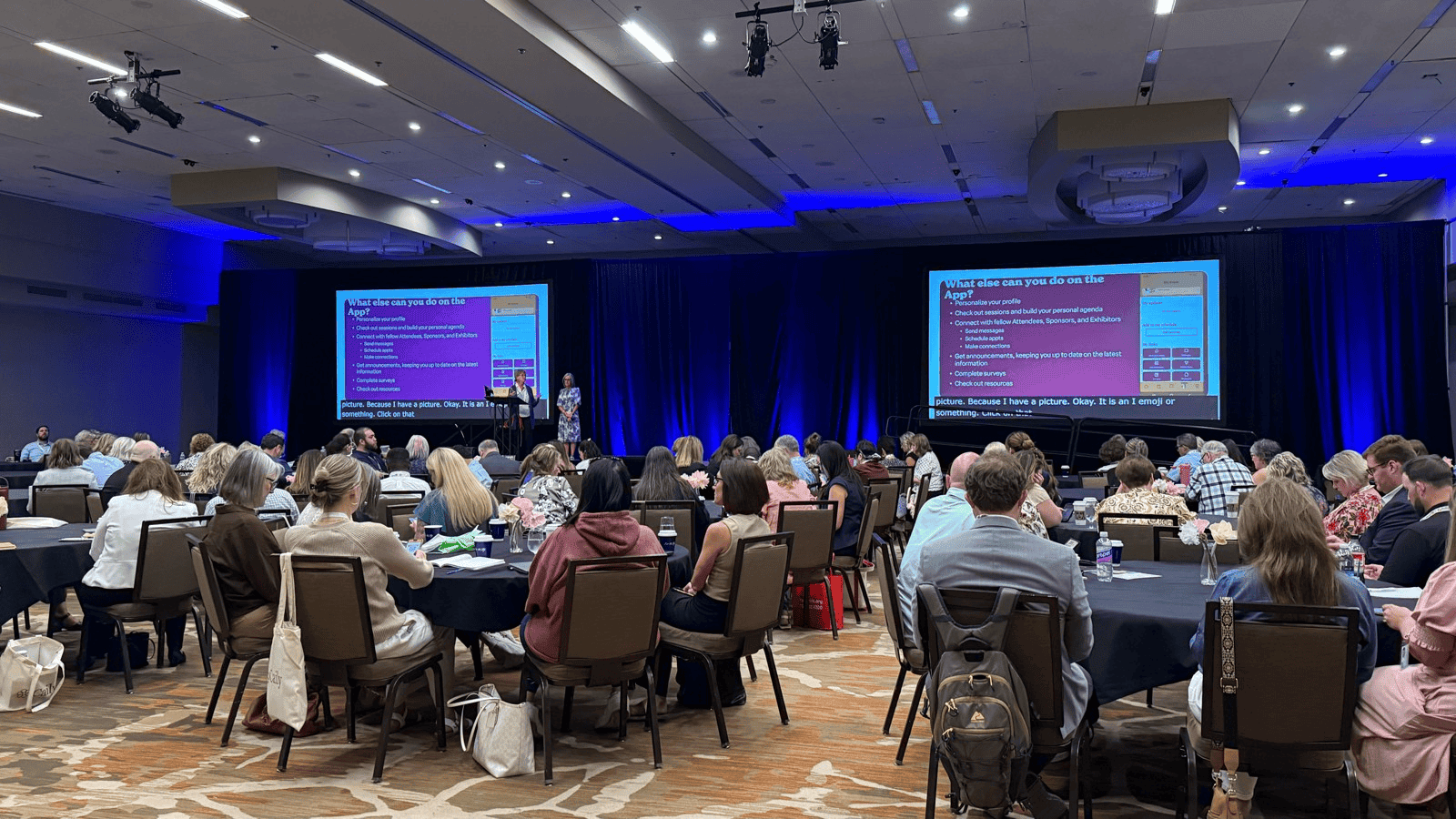
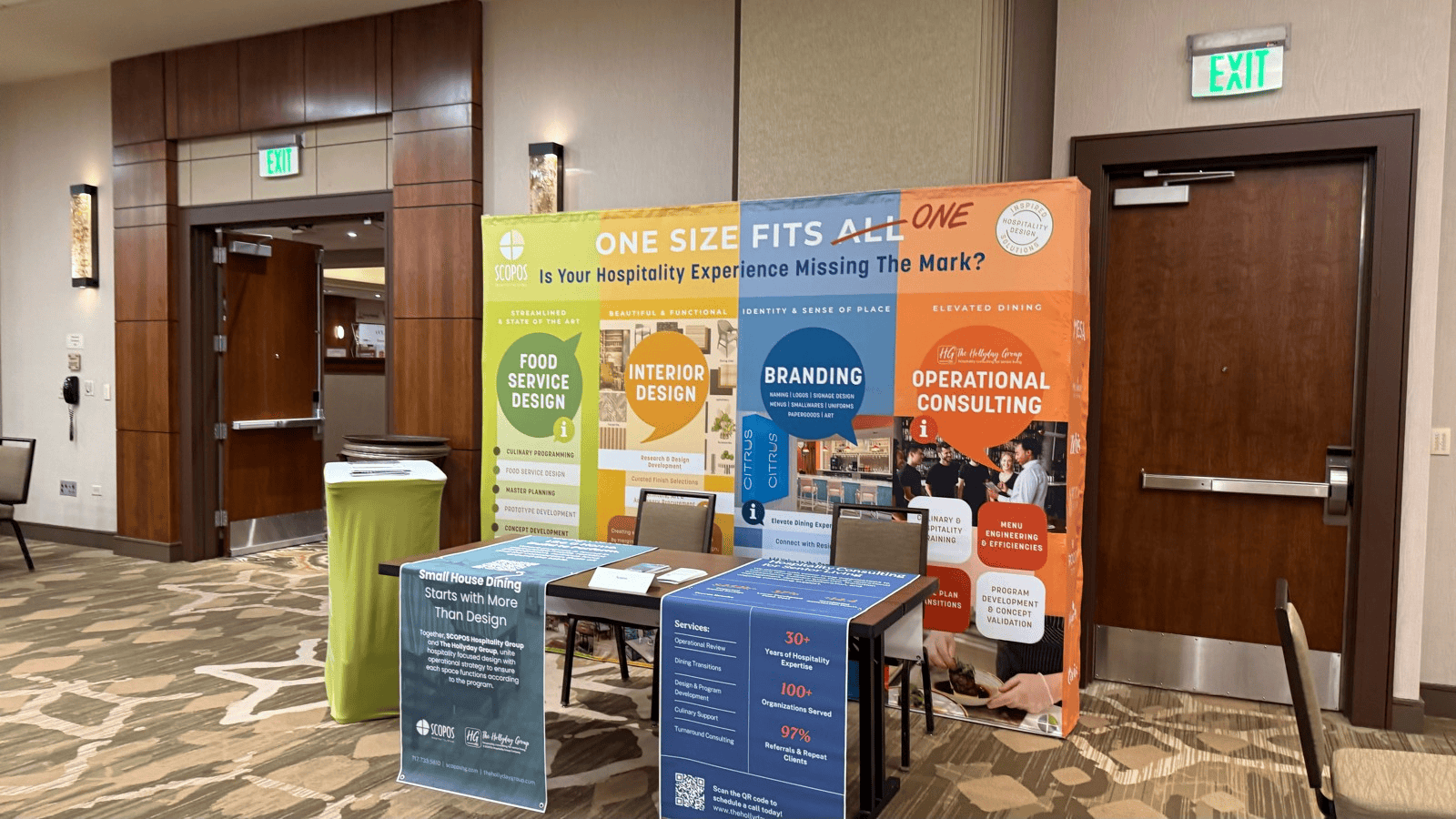
One message. One question:
What are you willing to change?
One of the strongest messages from Manley Feinberg was simple: meaningful progress requires commitment. His stories of climbing, leadership, and teamwork weren't really about reaching the top. They were about having the courage to start, knowing what you're working toward, and recognizing when you need support along the way.
Courage is a choice. Commitment is a practice. And the difference between 99% and 100% resolve — that final percentage — is exponential.
Changing the way residents experience food isn't always easy. It takes a willingness to question what's always been done, identify what needs to change, and commit to doing something differently.
Courage Is Contagious
It's easy to continue doing something because it's familiar. It's harder to stop and ask whether it's actually serving the people you're there to serve.
- →Reconsidering rigid meal times.
- →Giving residents more choice.
- →Bringing cooking back into the living environment.
- →Or simply asking residents what they actually want to eat.
Declare Your Current Climb
You don't need to transform your entire dining program overnight. Identify the one change that matters most right now and work on it consistently, even 5 to 20 minutes a day.
- →More meaningful resident choice
- →Better menu execution and consistency
- →A more person-directed approach
- →Stronger culinary operations
- →Food experiences that create belonging
- →A deeper connection between dining and home
Get on Belay
Your team knows your residents, but sometimes you need someone outside the operation to help you see what you're missing. The right support doesn't take over the climb, it helps you make it with greater confidence.
Master the Art of the Restart
A setback doesn't mean you have to start over. Instead of asking “what went wrong?” ask “what do we do differently?” Sometimes the next climb starts with another look at what you've already tried.
What does this have to do with senior living dining?
The “Food at the Heart of the Home” session brought the conversation back to something fundamental: knowing the person you're serving, also known as the "Deep Knowing."
Deep Knowing
A resident's favorite foods, family recipes, cultural traditions, and mealtime rituals aren't hospitality trivia. They're the operating instructions for every meal you serve.
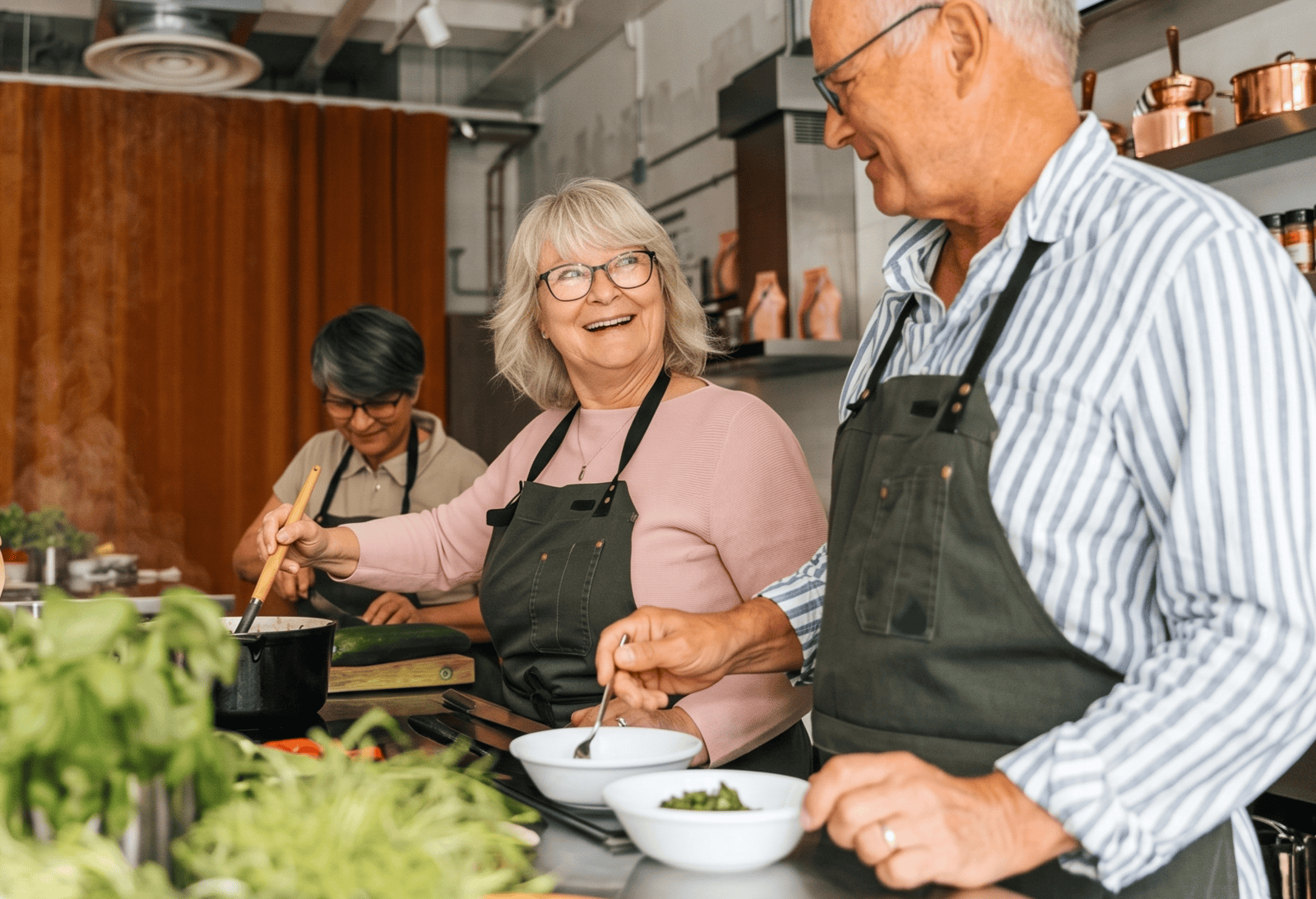
Because food is more than nutrition.
It can bring back a memory.
It can create a conversation.
It can give someone a choice.
It can make a new environment feel familiar.
Traditional Dining
The kitchen sets the terms- Menu-driven, built around staff convenience
- Large-batch cooking, rigid mealtimes
- Residents adapt to the kitchen
- Food as fuel
Person-Directed Dining
The resident sets the terms- Elder-driven: flexible times, individual choice
- Small-batch cooking, responsive operations
- The kitchen adapts to the resident
- Food as belonging, memory, and hope
A meal can be more than a meal.
Feinberg attributes much of Build-A-Bear's growth — from 40 stores to more than 400, with revenue exceeding $474 million — to one insight: the experience was the product. Not the bear.
Dining is that experience. The smell of something baking, a family recipe on the table, being asked how you like your eggs instead of being handed a plate, etc.
For residents with dementia, food can communicate what words no longer can: safety, comfort, recognition, love. The aroma of cinnamon can bring back a memory from fifty years ago. That is not incidental. That is the work.
Think about the difference between being handed a plate and being asked how you'd like your meal prepared, or between eating a standard birthday dessert and having a favorite childhood recipe made specifically for you.
When we know the elder, we know the meal.
When we know the meal, we create belonging.
And when we create belonging, we create hope.
You don't need to renovate to begin.
Six things any community can start this week.

- 01Start where you are, with what you already have.
- 02Give residents more choice: a build-your-own omelet, pancake, or oatmeal station.
- 03Ask families to share a resident's favorite recipe and then prepare it together.
- 04Create a small place for cooking: a crock pot or air fryer brings the smells into a shared space.
- 05Make traditions personal and build the celebration around what they remember eating.
- 06Ask “why not?” of one routine that has always been done a certain way.
Tried before? Start again.
Maybe you've already worked to introduce more resident choice. Maybe a new dining concept didn't land the way you hoped. Maybe staffing, consistency, or execution got in the way — and you're not sure it's worth trying again.
Feinberg's most practical lesson wasn't about how to succeed. It was about what to do after you don't. Stop asking “What if I fall?” and start asking: “When I fall, what do I do next?” The goal isn't to avoid the setback. The goal is to restart before you feel ready — because waiting until you feel ready means the momentum is already gone.
A setback in your dining program doesn't mean the vision was wrong. It means you learned something. That's exactly where the restart begins.
What would you do differently
& what support would change the outcome?

You don't have to make this climb alone.
SCOPOS Hospitality Group brings foodservice design, culinary strategy, and the physical environment. The Hollyday Group brings senior living operations, leadership, and the systems to sustain change.
Together, we connect the experience you want to create with the operations required to deliver it.
Let's talk about your climb.
You don't need the entire plan figured out. Tell us where you are, what you're trying to change, or where you're running into challenges. We'll start there.
Start the Conversation